Mining Chemistry and Operations

Innovation and technology applied to mining needs

Chemical technology and field expertise to support mining operations

Every mining operation faces critical variables: production cycles, rock quality, water presence, heavy traffic, operational safety, and cost per ton. TREGA combines innovation, chemical technology, technical assessment, and on-site support to address those variables with practical, measurable solutions designed for sustained field performance.

Technical service areas

Four technical areas addressing critical mining-operation variables

Ground support, haul-road dust control, metallurgical recovery, process water, and rock and soil stabilization: each service area addresses a specific operating variable at the site. TREGA combines specialized chemical products, field assessment, and application engineering with technical criteria that can be transferred to the client’s operating team.

01

Ground support

Shotcrete

Operating challenge

Primary ground support in headings, drifts, and underground developments requires shotcrete with controlled early-age strength, low rebound, and consistent adhesion on rock with variable behavior. Cycle times, personnel safety, and development advance depend directly on its performance.

TREGA solution

Chemical admixtures for wet-mix and dry-mix shotcrete, mix design according to rock conditions, control of setting and early strength, and technical support for pumping, application, and field thickness verification.

Typical applications

  • Headings and development drifts
  • Stabilization of rock wedges and unstable areas
  • Ramps, shafts, and underground developments
View shotcrete solutions
02

Operational environmental control

Dust suppression

Operating challenge

Heavy equipment traffic on haul roads, pads, and yards generates dust that reduces visibility, increases occupational risk, accelerates tire wear, and drives up water consumption for road watering. Every operation has a different surface, climate, and traffic profile.

TREGA solution

Chemical dust suppressants selected according to surface type, climate, and traffic load, with dosage and application frequency calibrated to extend treatment longevity and reduce watering cycles without sacrificing dust-capture efficiency.

Typical applications

  • Primary and secondary haul roads
  • Leach pads, stockpiles, and yards
  • Loading, unloading, and maneuvering areas
View dust-suppression solutions
03

Chemical process and water

Mineral processing and water treatment

Operating challenge

Metallurgical recovery, thickener operation, tailings handling, and process-water quality depend on slurry chemistry: pH, dispersion, flocculation, and recirculation conditions.

TREGA solution

Specialty reagents, flocculants, coagulants, and pH modifiers, with dosage adjusted to the ore and technical follow-up based on process indicators, water clarity, and operating consumption.

View mineral-processing solutions
04

Stabilization and sealing

Rock and soil grouting

Operating challenge

Fractured rock masses, water inflow in underground workings, joint sealing, and soil consolidation require grouting materials and patterns selected according to permeability, flow rate, pressure, and expected operating loads.

TREGA solution

Grouts, microcements, resins, and chemical gels selected according to site conditions, with grouting-pattern design, controlled pressure, and verification of sealing or consolidation.

View grouting solutions

Shotcrete

Admixtures, fibers, and technical support for mining shotcrete

Mining shotcrete requires technical control from mix design through on-site application. TREGA combines chemical admixtures, reinforcing fibers, supplementary materials, and operational support to improve ground-support performance in headings, drifts, ramps, and areas with variable rock conditions.

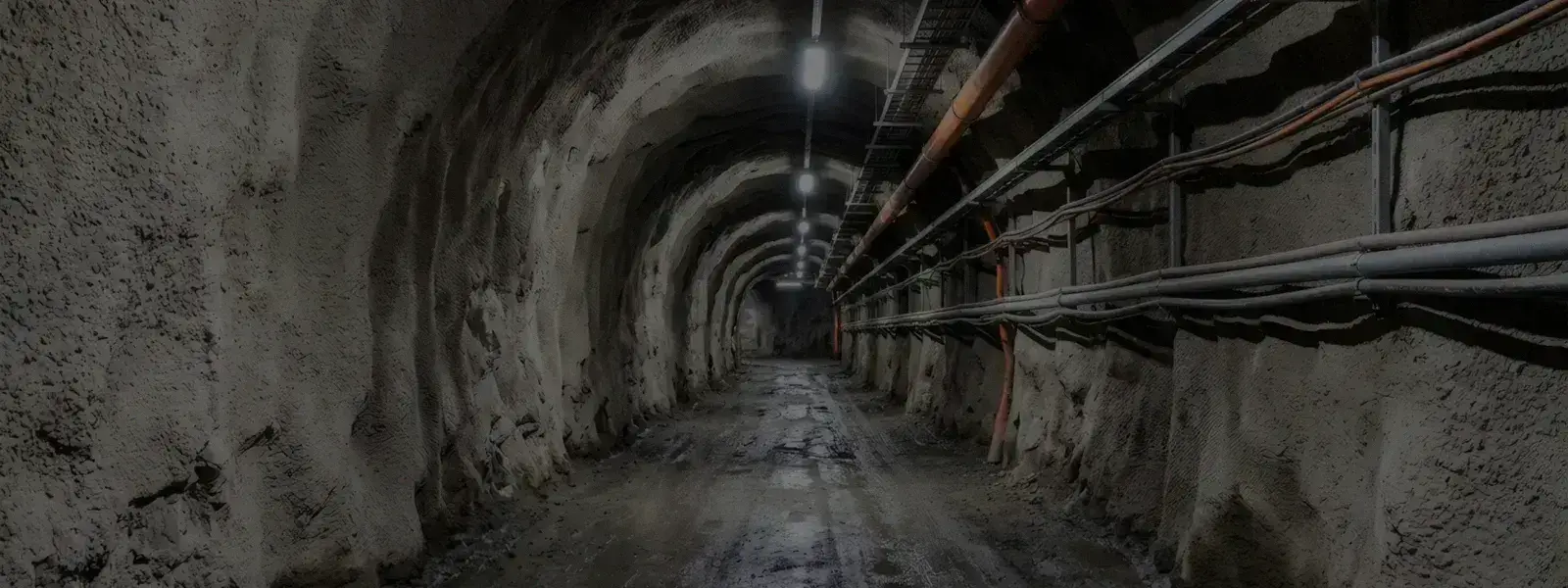
Shotcrete application in an underground mining operation
Technical shotcrete application under mining conditions: mix, pumping, adhesion, thickness, and field verification.
01

What TREGA addresses

  • Admixtures for wet-mix and dry-mix shotcrete.
  • Fibers for reinforcement and structural support.
  • Supplementary cementitious materials and rheology modifiers.
  • Mix design and adjustment according to operating conditions.
02

Critical field variables

  • Rock quality and behavior.
  • Moisture or water inflow.
  • Setting time and early-age strength.
  • Rebound, adhesion, applied thickness, and cycle continuity.
03

Typical applications

  • Headings and development drifts.
  • Ramps, shafts, and underground developments.
  • Stabilization of rock wedges and unstable areas.
  • Ground support for mining works and specialized construction.

Dust suppression

Chemical dust suppressants for haul roads and high-traffic mining operations

Dust in mining affects visibility, operational safety, water consumption, equipment wear, and traffic continuity. TREGA combines chemical dust suppressants, surface assessment, technical dosage, and field follow-up to control emissions on haul roads, yards, pads, and heavy-traffic maneuvering areas.

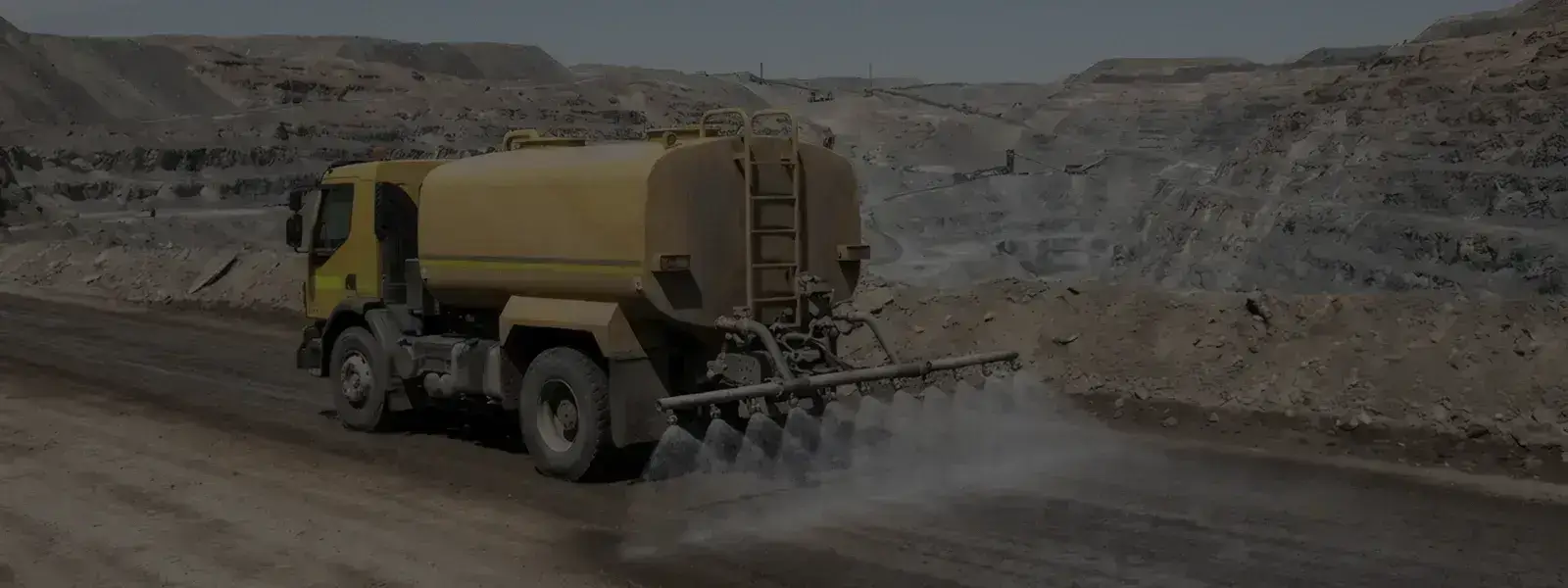
Mine haul road treated with dust suppressant for heavy-equipment traffic
Dust control for haul roads and heavy-traffic areas: surface assessment, dosage, application, and field monitoring of treatment longevity.
01

What TREGA addresses

  • Chemical dust suppressants for light-vehicle mine roads and heavy-haul roads.
  • Dosage according to surface type, climate, and operating traffic.
  • Technical application to extend treatment longevity.
  • Field performance monitoring and adjustment of watering frequency.
02

Critical field variables

  • Heavy-equipment traffic and haulage cycles.
  • Dust emissions caused by friction, wind, and dry surfaces.
  • Visibility on roads, yards, and maneuvering areas.
  • Water consumption, watering frequency, and environmental conditions.
03

Typical applications

  • Primary and secondary haul roads.
  • Leach pads, stockpiles, and operating yards.
  • Loading, unloading, and maneuvering areas.
  • Crushing areas, internal traffic routes, and mine access roads.

Mineral processing and water treatment

Chemicals to optimize separation, clarification, and process water in mining

Mineral processing plant performance depends on slurry-chemistry control, separation efficiency, recovered-water clarity, and process stability in thickeners, tailings systems, and recirculation circuits. TREGA combines flocculants, coagulants, pH modifiers, and auxiliary chemicals with technical assessment, dosage selection, and on-site operational follow-up.

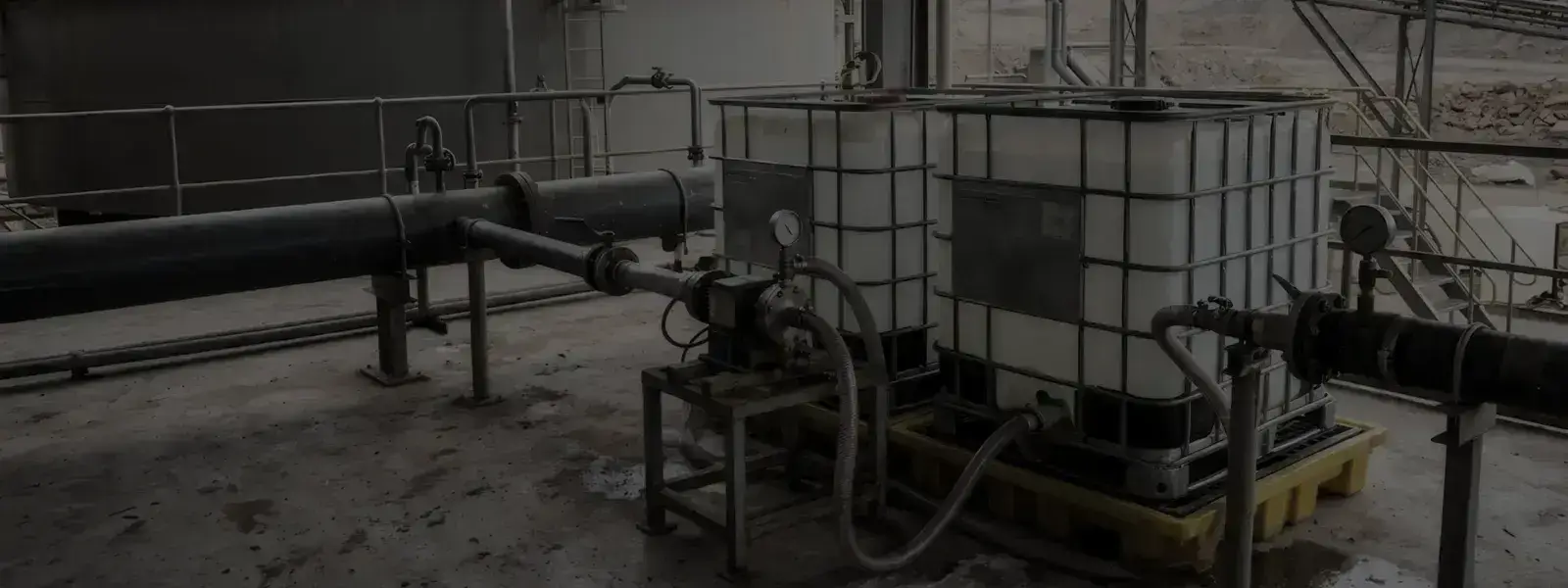
Mineral processing plant with water-treatment systems, tanks, piping, and thickeners
Chemical optimization in mineral processing and water treatment: flocculation, coagulation, water clarity, thickener operation, tailings handling, and recirculation under actual process conditions.
01

What TREGA addresses

  • Flocculants and coagulants for solid-liquid separation.
  • pH modifiers for chemical-process stability.
  • Filter aids, scale inhibitors, and antifoaming agents.
  • Auxiliary chemicals for grinding, washing, desliming, and mineral separation.
02

Critical field variables

  • Ore type, particle-size distribution, and solids concentration.
  • pH, dispersion, surface charge, and slurry chemistry.
  • Overflow clarity, settling rate, and compaction.
  • Chemical consumption, product preparation, and dosing point.
03

Typical applications

  • Mineral processing plants.
  • Thickeners, clarifiers, and process-water systems.
  • Tailings handling, recirculation, and water recovery.
  • Washing, desliming, grinding, and mineral-separation circuits.

Rock and soil grouting

Grouting solutions for water inflow control, consolidation, and ground stabilization

Rock and soil grouting requires selecting materials, pressure, flow rate, and injection pattern according to permeability, fracturing, water presence, and site structural conditions. TREGA combines technical assessment, grouting-system selection, and field support to control water inflow, consolidate unstable zones, and improve ground behavior in mining and specialized construction.

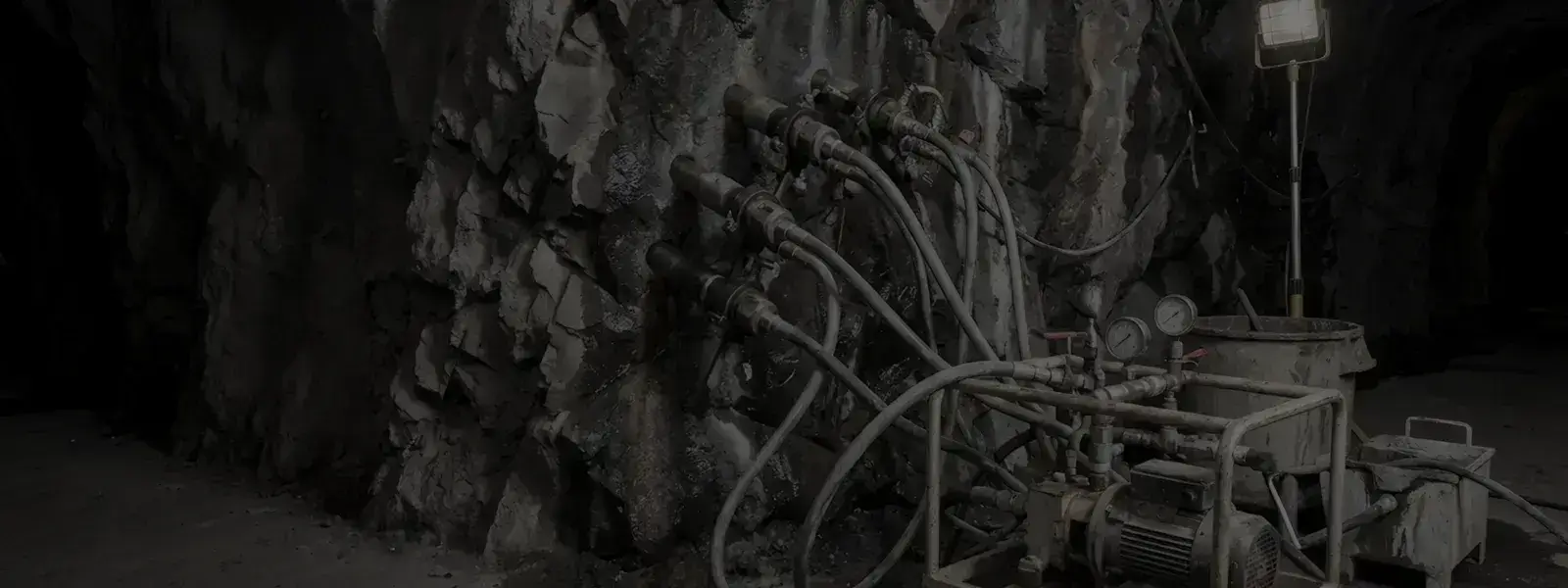
Rock and soil grouting system for stabilization and water inflow control in a mining operation
Technical application of rock and soil grouting systems: water inflow control, ground consolidation, stabilization of fractured zones, and field performance monitoring.
01

What TREGA addresses

  • Grouting systems for rock, soil, and structures.
  • Solutions for water inflow control and sealing.
  • Selection of grouts, microcements, resins, or chemical gels.
  • Technical guidance on grouting pattern, pressure, flow rate, and application sequence.
02

Critical field variables

  • Ground permeability and water presence.
  • Fractures, joints, voids, and loss zones.
  • Allowable pressure, pumping flow rate, and injected volume.
  • Compatibility between grouting material, geological conditions, and technical objective.
03

Typical applications

  • Water inflow control in mining and civil works.
  • Consolidation of fractured rock or unstable soil.
  • Sealing of joints, discontinuities, and permeable zones.
  • Preliminary, corrective, or supplementary stabilization in excavations and underground developments.

Work methodology

A technical intervention begins with field assessment and ends with operational follow-up

TREGA approaches every service as an intervention focused on actual operating variables. The solution is defined according to the site, process, available equipment, application conditions, and the technical result the client needs to sustain.

Request a technical assessment
01

Initial assessment

Technical operating assessment

Review of site conditions, operational constraints, application points, critical variables, and the client’s technical objective.

02

Selection criteria

Appropriate product, system, or material

Selection of admixture, dust suppressant, flocculant, coagulant, grouting system, or auxiliary chemical according to compatibility, expected performance, and application feasibility.

03

Controlled application

Dosage and field support

Definition of operating parameters: preparation, dosage, pressure, flow rate, frequency, application point, or work sequence according to the technical service area.

04

Technical continuity

Performance follow-up and operational adjustment

Field performance review using observable indicators: dust reduction, water clarity, shotcrete behavior, water inflow control, chemical consumption, or operational continuity.

Technical support and application documentation

Every product TREGA applies is backed by a technical data sheet, selection criteria, and a field-based decision

TREGA works with technologies from manufacturers specializing in construction chemicals, concrete, and mining processes. Each product is selected through a technical analysis that considers ground conditions, application type, compatibility with existing materials on site, and the client’s operating objectives.

A product is deployed at a mine or plant because it meets defined technical criteria validated by the team’s experience on projects with similar conditions.

Frequently asked questions

Direct answers to evaluate a technical solution before requesting support

These answers explain how TREGA works, what technical information is required to evaluate each case, and how a practical solution is defined for actual mining operating conditions.

Talk to an expert

TREGA supplies chemical products and also provides assessment, technical selection, dosage support, assistance during application, and performance follow-up. The objective is for the solution to perform under the actual conditions of the mine, haul road, plant, or work site where it is applied.

Dosage is determined according to the product, technical data sheet, field conditions, and operating objective. Variables may include rock type, moisture, temperature, particle-size distribution, equipment traffic, water quality, reaction time, application method, and expected performance.

Dust suppressants can reduce watering frequency and extend treatment longevity. Application depends on road type, traffic, climate, moisture, particle-size distribution, and dust-emission levels. Each operation requires an application strategy aligned with the required performance.

A shotcrete evaluation requires information on whether the application is wet-mix or dry-mix, rock type, required strength, setting time, expected thickness, pumping conditions, moisture presence, fiber type, base mix, and the field ground-support objective.

Mineral processing plants and water-treatment systems may use flocculants, coagulants, filter aids, scale inhibitors, defoamers, rheology modifiers, grinding aids, mineral-separation products, and solutions to improve water clarity, settling, and recovery.

A grouting solution may be required where there is water inflow, fractured rock, permeable zones, material loss, open joints, voids, or a need for ground consolidation or stabilization. System selection depends on permeability, pressure, flow rate, material type, and geological conditions.

Yes. TREGA can provide technical data sheets, catalogs by solution area, and application information so the client can evaluate specifications, compatibility, preparation, dosage ranges, and technical feasibility before a trial or implementation.

TREGA focuses its technical presence in Mexican mining regions including Zacatecas, Sonora, Chihuahua, Durango, and Guerrero, with expanding coverage in San Luis Potosí, Sinaloa, Hidalgo, and Coahuila. Coverage is evaluated according to the project, urgency, service type, and operating conditions.

Next step

Evaluate your operation technically before selecting a product

Share the conditions at your mine, haul road, plant, or work site. TREGA reviews the case, identifies the applicable technical service area, and guides product, dosage, or application-system selection.